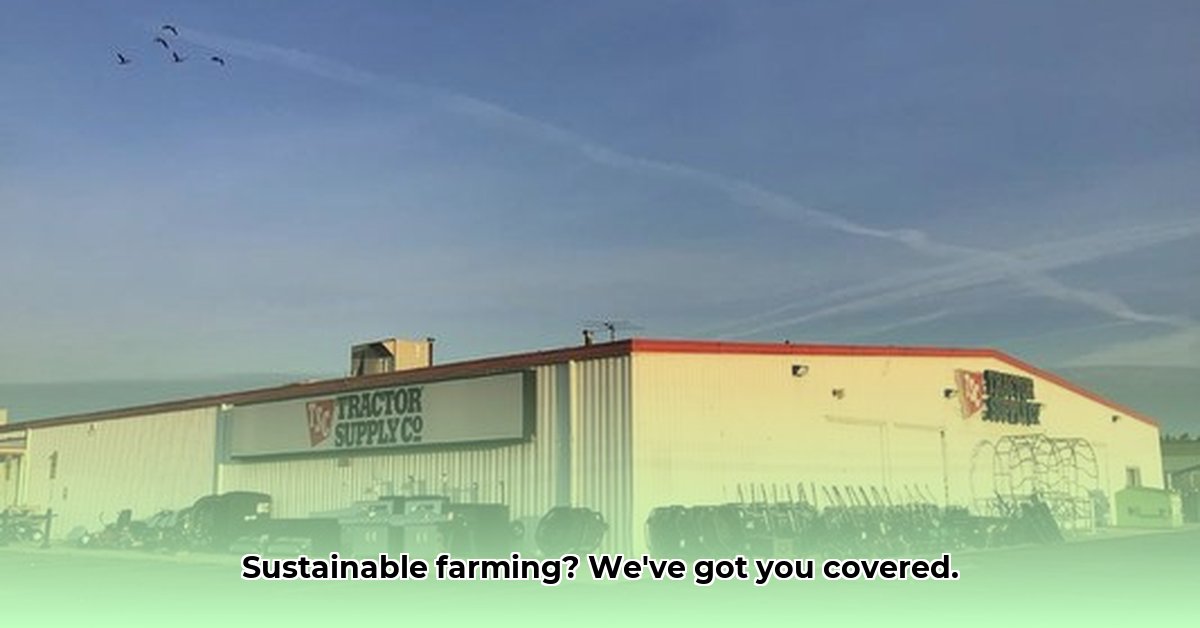
Tractor Supply's Role in Bay City's Agricultural Ecosystem
Tractor Supply Company (TSC) in Bay City, Michigan, occupies a significant position within the local agricultural landscape. This case study examines its contribution to sustainable farming practices, highlighting both its strengths and areas for improvement. The store's accessibility and diverse product range serve local farmers and gardeners, yet challenges remain regarding data transparency and online competition. For those interested in TSC's lawn mower selection, check out their website.
A Convenient Resource for Local Growers
The Bay City TSC's convenient location and extended operating hours (8 am to 9 pm daily) provide crucial accessibility for farmers and gardeners, particularly during peak seasons. This readily available supply of essential goods significantly aids local agriculture. For many, it's the go-to source for urgent needs, offering a reliable and familiar presence within the community. This accessibility directly supports the efficiency and success of local agricultural operations.
Sustainable Supplies Beyond Tractors
While the name suggests a focus on large equipment, TSC's Bay City location offers a wide array of products relevant to sustainable agriculture. Organic seeds, water-efficient irrigation tools, and various other supplies cater to both large-scale farmers and home gardeners committed to eco-conscious practices. This diverse inventory directly supports the growth of sustainable agriculture within Bay City. The store effectively acts as a central hub, connecting local growers with the resources needed for successful and environmentally mindful cultivation.
This broadened selection reflects a recognition of the growing market demand for sustainable agricultural products. While a complete focus on organic or exclusively eco-friendly products isn't evident, TSC's inventory is demonstrably adapting to meet this increasing consumer preference.
Case Study Analysis: Strengths, Weaknesses, and Opportunities
A balanced assessment of TSC's role reveals both significant strengths and notable areas requiring attention:
Strengths:
- Extensive Product Selection: TSC provides a vast range of products, creating a one-stop shop for diverse agricultural needs.
- Community Focus: The store demonstrably caters to the requirements of the local farming community.
- Knowledgeable Staff: Customer feedback frequently praises the helpfulness and expertise of TSC's staff, enhancing the overall shopping experience and providing valuable agricultural guidance.
Weaknesses:
- Data Transparency: A lack of publicly available data on sustainable product sales hinders a precise quantification of TSC's contribution to sustainable agriculture. This lack of transparency limits a complete understanding of their impact.
- Online Competition: The rise of e-commerce presents a significant competitive challenge, requiring TSC to adapt its strategies to maintain market share.
- Supply Chain Vulnerabilities: Global supply chain disruptions can impact product availability, potentially affecting customer satisfaction and business operations.
Challenges and Opportunities: Charting a Course for the Future
To thrive and maximize its contribution to sustainable agriculture, TSC must address several key challenges and leverage existing opportunities:
Addressing Challenges:
- Data Collection: Implement a robust system for tracking the sales and trends of sustainable products. This data will inform future decisions and demonstrate TSC's commitment to sustainability.
- Competitive Advantage: Enhance the in-store experience through personalized services, workshops, and community events to differentiate from online retailers. Building a strong local community around the store can counteract online competition.
- Supply Chain Resilience: Diversify suppliers, explore locally sourced alternatives wherever possible, and build stronger relationships with key suppliers to mitigate the impact of global disruptions.
Leveraging Opportunities:
- Expanded Sustainable Product Lines: Increase the offering of organic seeds, compost, water-efficient irrigation systems, and environmentally friendly pest control solutions.
- Community Partnerships: Collaborate with local organizations and community initiatives focused on sustainable agriculture. Joint workshops and events can build brand loyalty and reinforce the store's commitment to the community.
- Sustainable Retail Practices: Implement eco-friendly practices within the store itself, such as energy-efficient lighting and waste reduction programs.
Actionable Insights and Recommendations
To further enhance its contribution to sustainable agriculture, TSC should prioritize the following actionable steps:
- Invest in Data Tracking: Implement a detailed sales tracking system for sustainable products (target: 90% accuracy within six months).
- Enhance Community Engagement: Host monthly workshops on sustainable farming techniques (target: 50 participants per workshop).
- Expand Sustainable Product Inventory: Increase the range of organic and eco-friendly products by 25% within the next year.
- Promote Transparency: Clearly label all sustainable products with relevant certifications (target: 100% labeling within three months).
- Strengthen Supply Chain: Secure at least three alternative suppliers for key sustainable products within the next year.
Conclusion: A Partner in Sustainable Farming
Tractor Supply Company in Bay City holds significant potential to contribute to the growth of sustainable agriculture in the region. By addressing the identified challenges and actively pursuing the outlined opportunities, TSC can solidify its role as a valuable partner in promoting environmentally conscious farming practices within the Bay City community. Its future success hinges on embracing data-driven decision-making, fostering robust community partnerships, and consistently enhancing its customer experience.